

Base Network Set to Elevate Developer Capabilities with B20 Token Standard Activation
The rapidly growing Base network, developed by Coinbase, is on the cusp of a significant upgrade with the planned activation of its B20 token standard. Scheduled for Wednesday at 6 pm UTC, this pivotal development is poised to unlock new avenues for innovation and utility on the Ethereum Layer-2 solution. The introduction of the B20 standard signifies Base’s commitment to fostering a robust ecosystem, enabling developers to seamlessly create and deploy a diverse range of native tokens, including much-anticipated stablecoins and tokenized real-world assets (RWAs).
Understanding the B20 Token Standard
The B20 standard represents a crucial step forward in Base’s mission to provide a user-friendly and developer-centric platform. While specific technical details of the B20 standard are still emerging, its core purpose is to streamline the process of token creation and management. This standardization is expected to enhance interoperability, security, and efficiency for tokens built on Base.
Key Potential Use Cases for B20 Tokens:
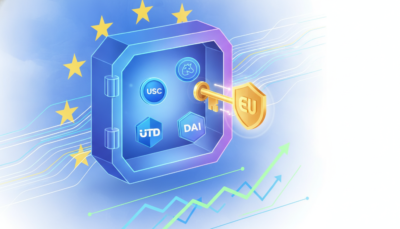
- Stablecoins: The B20 standard is anticipated to simplify the issuance and management of stablecoins, which are digital currencies pegged to a stable asset like the US dollar. This could lead to a proliferation of reliable stablecoin options on Base, facilitating smoother transactions and DeFi operations.
- Real-World Assets (RWAs): Tokenizing RWAs on the blockchain is a rapidly expanding frontier in decentralized finance. The B20 standard could pave the way for assets like real estate, bonds, or even fractional ownership of art to be represented as tokens on Base, bridging traditional finance with the digital asset world.
- Utility and Governance Tokens: Developers can leverage the B20 standard to create custom utility tokens for their decentralized applications (dApps) or governance tokens that grant holders voting rights within a protocol.
Implications for Developers and the Base Ecosystem
The activation of the B20 standard is a game-changer for developers building on Base. It provides a common framework, reducing the complexity and technical hurdles often associated with token development. This standardization is expected to:
- Accelerate Development: By offering a pre-defined and tested standard, developers can launch their tokens more quickly and efficiently.
- Enhance Security: Standardized contracts are often subject to more rigorous auditing and scrutiny, potentially leading to more secure token implementations.
- Improve Interoperability: A shared standard makes it easier for different tokens and applications within the Base ecosystem to interact with each other.
- Attract New Projects: The improved developer experience and enhanced capabilities are likely to attract more innovative projects to build on Base.
Base’s Strategic Position in the Layer-2 Landscape
Base has quickly established itself as a prominent Layer-2 scaling solution, leveraging its connection to Coinbase to attract a substantial user base and developer activity. Its focus on simplicity and developer experience has been a key driver of its growth. The introduction of the B20 token standard further solidifies Base’s position as a competitive and feature-rich platform for the next generation of decentralized applications and digital assets.
As the network prepares to activate the B20 standard, the entire Web3 community will be watching closely to see the innovative applications and tokenized assets that emerge. This move underscores the continuous evolution of blockchain technology and its expanding potential to reshape various industries.