

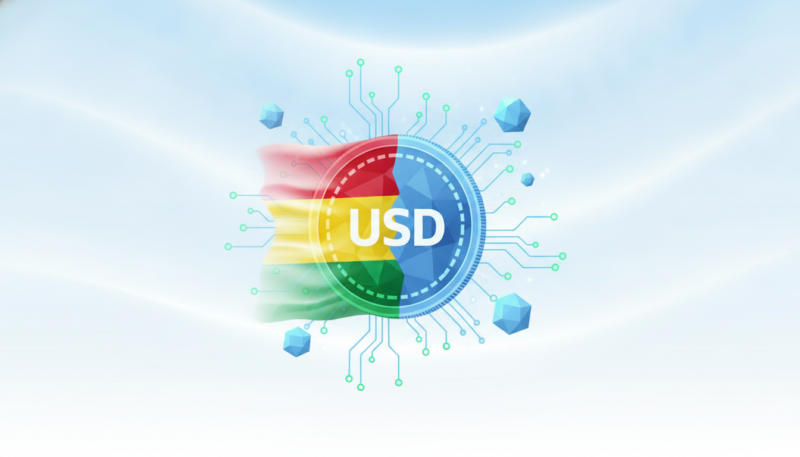
Bolivia Considers USDT Recognition Amidst Economic Pressures
Bolivia is reportedly exploring the possibility of recognizing Tether (USDT), the world’s largest stablecoin, as a legal payment currency. This move comes as the South American nation grapples with a significant shortage of foreign currency reserves, particularly US dollars, which has been exerting pressure on its economy. The potential framework could allow USDT to be utilized for various financial transactions, including payments, savings, and trade, offering a potential lifeline in times of economic uncertainty.
The Dollar Shortage Challenge
Like many nations worldwide, Bolivia has faced challenges in maintaining adequate foreign currency reserves. The global economic climate, coupled with specific domestic economic factors, has led to a scarcity of US dollars. This shortage impacts various sectors, from international trade to individuals seeking to conduct cross-border transactions or preserve wealth in a stable currency. The limited availability of dollars can hinder economic growth, increase the cost of imports, and create instability in financial markets.
USDT as a Potential Solution
In this challenging economic environment, stablecoins like USDT have emerged as a potential alternative. USDT is designed to maintain a stable value pegged at 1:1 with the US dollar, offering a degree of price predictability that volatile cryptocurrencies like Bitcoin do not provide. Its widespread adoption and liquidity in the global crypto market make it an attractive option for countries seeking to circumvent traditional financial system limitations or address currency shortages.
Benefits of USDT Recognition
The official recognition of USDT could bring several advantages to Bolivia:
- Facilitating Trade: USDT could simplify international trade by providing a stable and widely accepted medium of exchange, reducing the reliance on scarce US dollars for import and export transactions.
- Enhancing Savings: Citizens could use USDT to preserve the value of their savings, protecting them from potential local currency depreciation or the difficulties of acquiring physical foreign currency.
- Boosting Financial Inclusion: By leveraging blockchain technology, USDT could offer access to financial services for individuals who are unbanked or underbanked, enabling them to participate more actively in the digital economy.
- Attracting Investment: A clear regulatory framework for stablecoins might signal a forward-thinking approach to financial innovation, potentially attracting foreign investment and technological advancements.
Navigating the Regulatory Landscape
While the prospect of using USDT offers potential benefits, its recognition also presents regulatory complexities. Governments and financial institutions must consider the risks associated with stablecoins, including:
- Regulatory Oversight: Ensuring that USDT issuers and users comply with anti-money laundering (AML) and know-your-customer (KYC) regulations is crucial.
- Market Volatility: Although designed to be stable, stablecoins can experience de-pegging events due to market stress or issues with reserves, posing a risk to users.
- Consumer Protection: Establishing robust consumer protection measures is necessary to safeguard individuals against potential losses.
- Monetary Policy Implications: The widespread adoption of a foreign-based stablecoin could have implications for Bolivia’s monetary policy and financial sovereignty.
Broader Implications for Latin America
Bolivia’s consideration of USDT is part of a larger trend in Latin America, where stablecoins and cryptocurrencies are increasingly being explored as tools to navigate economic instability and currency controls. Countries like Argentina and Venezuela have already seen significant adoption of cryptocurrencies for daily transactions due to high inflation and dollar shortages. If Bolivia formally adopts USDT, it could set a precedent and encourage other nations in the region to explore similar pathways, further integrating digital assets into their financial ecosystems.
The Future of Digital Payments in Bolivia
The potential recognition of USDT in Bolivia represents a significant step in the evolving relationship between traditional finance and digital assets. While challenges remain in establishing a secure and regulated environment, the move underscores the growing importance of stablecoins in addressing real-world economic challenges. The outcome of Bolivia’s deliberations will be closely watched by financial institutions, regulators, and crypto enthusiasts worldwide, offering valuable insights into the future of digital currencies in emerging economies.