
Ethereum Poised for $2000 Milestone Amidst Multifaceted Market Drivers
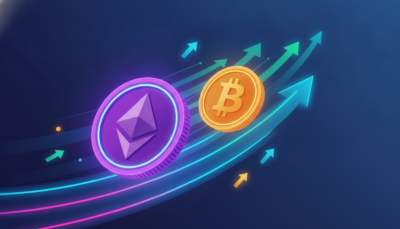
Ethereum (ETH), the second-largest cryptocurrency by market capitalization, is demonstrating significant upward momentum, inching closer to the coveted $2,000 price level. This resurgence is not attributed to a single factor but rather a confluence of increasing traditional finance (TradFi) interest, substantial token acquisitions by key players, and crucial developments within the Ethereum ecosystem, particularly on its Layer 2 scaling solutions.
The Influence of Traditional Finance and Institutional Buying
The growing engagement from traditional financial entities continues to be a significant tailwind for Ethereum. As more institutions explore digital assets, Ethereum’s robust infrastructure and its pivotal role in the decentralized finance (DeFi) landscape make it an attractive asset. The news that Bitmine, a significant player in the mining hardware sector, has been actively acquiring ETH signals a growing confidence in the asset’s future value. Such strategic buying from established entities can significantly influence market sentiment and create upward price pressure by increasing demand.
Layer 2 Developments: Enhancing Scalability and Efficiency
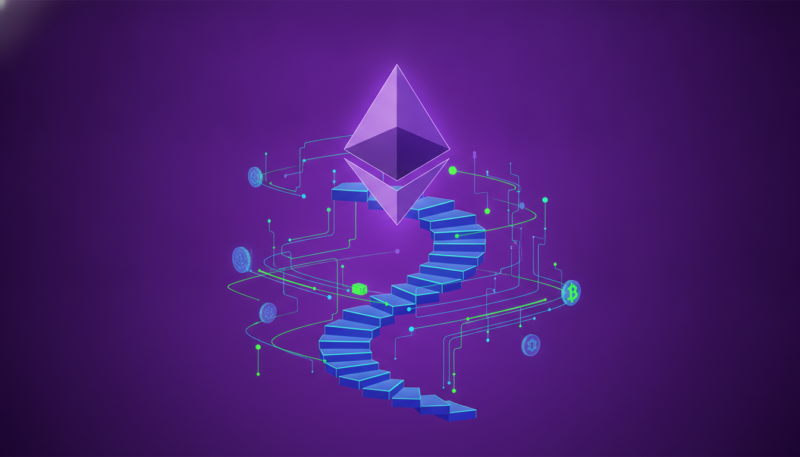
A key factor contributing to the positive outlook for Ethereum is the continuous progress and adoption of its Layer 2 scaling solutions. These networks, built on top of the main Ethereum blockchain, are designed to enhance transaction speed and reduce gas fees, addressing some of the long-standing scalability challenges of the Ethereum network. Developments like those integrated with Robinhood’s platform, which leverages Layer 2 technology, are crucial for making decentralized applications more accessible and cost-effective for a broader user base. This improved user experience directly translates to increased network activity and, consequently, demand for ETH, which is often used to pay transaction fees or stake within these Layer 2 ecosystems.
Network Upgrades and Investor Sentiment
Beyond Layer 2 advancements, the overall trajectory of Ethereum’s network upgrades plays a vital role. While the recent focus has been on scaling, the broader roadmap of Ethereum, including ongoing improvements to its consensus mechanisms and security features, continues to build investor confidence. These upgrades aim to solidify Ethereum’s position as a leading platform for decentralized applications, smart contracts, and the burgeoning metaverse and NFT sectors. As the network matures and its utility expands, investor interest naturally grows, driving demand for the native ETH token.
Understanding the Factors Driving ETH’s Ascent
Several key elements are converging to push Ethereum towards the $2,000 mark:
- Increased Institutional Demand: Acquisitions by firms like Bitmine indicate growing trust and investment from established players in the crypto space.
- Layer 2 Adoption: Solutions that improve scalability and reduce transaction costs make the Ethereum network more user-friendly and attractive for applications and users.
- Ecosystem Growth: The expansion of DeFi, NFTs, and other Web3 applications on Ethereum continues to drive utility and demand for ETH.
- Positive Market Sentiment: General bullish sentiment in the broader cryptocurrency market, coupled with specific positive news for Ethereum, bolsters investor confidence.
- Anticipation of Future Upgrades: Ongoing development and planned network enhancements further solidify Ethereum’s long-term value proposition.
Looking Ahead: The Path to $2000 and Beyond
The climb towards $2,000 is a significant psychological and technical milestone for Ethereum. The current market dynamics suggest that this target is within reach, supported by tangible developments and increasing adoption. As Layer 2 solutions mature and become more integrated into everyday usage, and as more traditional financial players find ways to participate in the Ethereum ecosystem, the underlying demand for ETH is likely to strengthen. Investors will be closely watching trading volumes, network activity, and further announcements regarding institutional adoption and Layer 2 growth to gauge the sustainability of this upward trend.