
The Onchain Revolution: Tokenizing the World’s Assets
The financial landscape is undergoing a profound transformation, with the burgeoning field of tokenized Real World Assets (RWAs) at its forefront. While still a nascent sector compared to traditional finance (TradFi), the pace of growth in bringing tangible and intangible assets onto the blockchain is nothing short of astonishing. This digital evolution promises to unlock new avenues for liquidity, accessibility, and efficiency across a vast array of asset classes.
What are Tokenized Real World Assets?
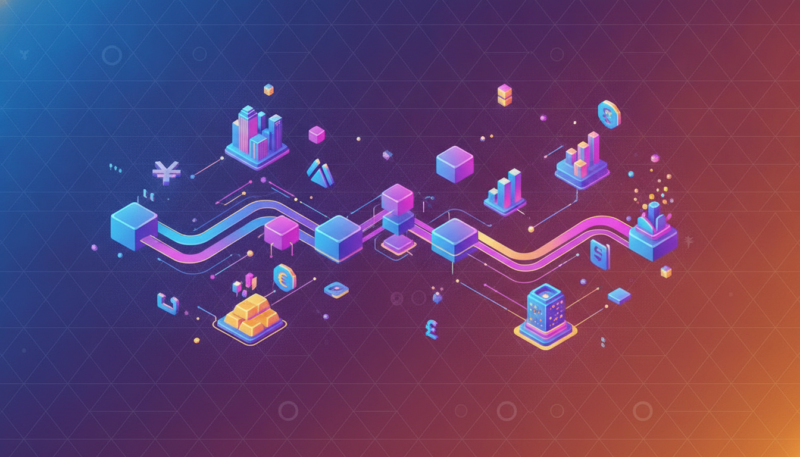
Tokenization is the process by which the ownership rights of an asset are converted into a digital token on a blockchain. This digital representation can then be managed, traded, and utilized within the decentralized ecosystem. Tokenized RWAs bridge the gap between the physical and digital worlds, allowing assets previously confined to legacy systems to interact with the speed and transparency of blockchain technology.
The Accelerating Growth of RWA Tokenization
The value proposition of tokenizing RWAs is multifaceted. It democratizes access to investment opportunities previously reserved for institutional players, enables fractional ownership of high-value assets, and enhances liquidity by creating tradable markets for traditionally illiquid assets. The infrastructure and regulatory frameworks are rapidly evolving, paving the way for broader adoption.
The Top 5 Asset Classes Leading the Tokenization Wave
Several categories of real world assets are experiencing the most significant traction in their journey to the blockchain. These include:
1. Treasuries and Fixed Income Instruments
Government bonds, corporate debt, and other fixed-income securities are among the most actively tokenized RWAs. Their predictable cash flows and established market presence make them ideal candidates for blockchain integration. Tokenization here allows for:
- Fractional Investment: Smaller investors can gain exposure to high-value government bonds.
- Increased Liquidity: Bonds can be traded 24/7 on secondary markets, reducing settlement times.
- Efficiency: Automation of coupon payments and principal repayments through smart contracts.
2. Real Estate
The tokenization of real estate is unlocking unprecedented possibilities for property investment. Owning a piece of a commercial building or a residential property can now be as simple as buying a token.
- Democratized Property Ownership: Enables individuals to invest in real estate with smaller capital outlays.
- Global Accessibility: Removes geographical barriers for real estate investment.
- Streamlined Transactions: Simplifies the complex and often lengthy process of property transfer.
3. Stocks and Equities
While regulatory hurdles are still significant, the tokenization of traditional stocks is gaining momentum. This involves creating digital representations of shares in publicly or privately held companies.
- 24/7 Trading: Enables trading outside of traditional stock exchange hours.
- Global Reach: Allows international investors easier access to equity markets.
- Programmability: Potential for automated dividend distribution and corporate actions.
4. Commodities
Hard assets like gold, oil, and agricultural products are being tokenized to facilitate easier trading and hedging. This allows for:
- Transparent Ownership: Verifiable proof of ownership for physical commodities.
- Reduced Storage and Logistics Costs: Digital tokens can represent ownership without the need for physical handling.
- Price Discovery: More efficient markets can lead to better price discovery.
5. Private Credit
This category includes loans and debt instruments issued by private companies, which are often illiquid and difficult to access. Tokenization offers a pathway to:
- Increased Access to Capital: Provides alternative funding sources for businesses.
- New Investment Opportunities: Opens up the private credit market to a broader range of investors.
- Enhanced Yield Potential: Can offer attractive yields compared to traditional fixed-income assets.
The Future of Finance is Blended
The rapid tokenization of these diverse real world assets signifies a major shift towards a more integrated financial ecosystem. As blockchain technology matures and regulatory clarity improves, we can expect to see an even broader array of assets being brought onchain, fostering greater financial inclusion and innovation. This trend is not just about digitizing existing assets; it’s about reimagining how we interact with value, making markets more efficient, accessible, and interconnected than ever before.