
Nouriel Roubini Enters the Tokenization Arena with ‘Technodollar’
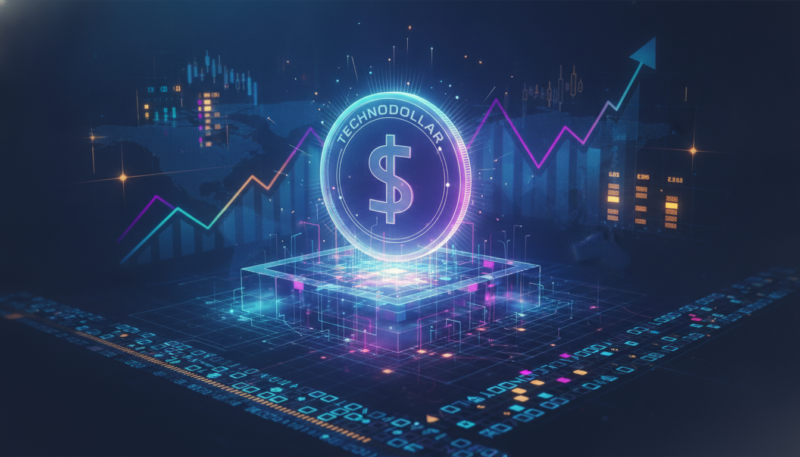
Nouriel Roubini, the economist famously dubbed ‘Dr. Doom’ for his often pessimistic economic outlook, has made a significant move into the burgeoning world of digital assets. Roubini is lending his name and expertise to a new tokenized security project called ‘Technodollar’. This innovative digital asset is designed to function as a store of value, particularly during periods of global economic instability and crises.
The Foundation: A Nasdaq-Listed ETF
What sets the Technodollar apart is its underlying asset. The token is backed by a Nasdaq-listed Exchange Traded Fund (ETF) that Roubini himself oversees. This provides a crucial layer of real-world asset backing, aiming to imbue the digital token with a degree of stability and legitimacy often sought by traditional investors. The ETF’s performance and holdings will directly influence the value and stability of the Technodollar token, creating a direct link between traditional finance and the decentralized digital asset ecosystem.
Addressing Wealth Preservation in Turbulent Times
The primary objective behind the Technodollar initiative appears to be wealth preservation. In an era marked by geopolitical tensions, fluctuating inflation rates, and unforeseen economic shocks, individuals and institutions are increasingly seeking robust mechanisms to protect their capital. Roubini’s ‘Dr. Doom’ persona stems from his consistent warnings about potential economic collapses, making his involvement in a product designed for crisis resilience particularly noteworthy. The Technodollar aims to offer an on-chain solution that leverages the perceived safety of a regulated financial instrument managed by a respected economist.
Tokenization: Bridging Traditional and Digital Finance
The launch of the Technodollar underscores the growing trend of tokenization, a process that is increasingly blurring the lines between traditional financial markets and the blockchain ecosystem. Tokenization involves representing ownership of an asset, such as stocks, bonds, or even real estate, as digital tokens on a distributed ledger. This technology offers several potential benefits:
- Increased Liquidity: Tokenized assets can be traded more easily and efficiently, potentially unlocking liquidity for previously illiquid assets.
- Fractional Ownership: It allows for the division of high-value assets into smaller, more affordable portions, democratizing access to investment opportunities.
- Enhanced Transparency: Blockchain technology provides an immutable and transparent record of transactions, which can reduce fraud and increase trust.
- 24/7 Trading: Digital tokens can be traded around the clock, offering greater flexibility compared to traditional market hours.
Implications and Future Outlook
Roubini’s entry into this space, given his critical stance on many aspects of cryptocurrencies in the past, signals a potential shift in perception and a recognition of the underlying technological potential of blockchain for asset management. While ‘Dr. Doom’ has often been a vocal critic of volatile cryptocurrencies, his involvement with a token backed by a regulated ETF suggests a focus on the more institutional and utility-driven applications of blockchain technology. The success of the Technodollar will likely depend on its ability to deliver on its promise of stability and wealth protection, as well as its adoption by investors looking for secure on-chain assets. This development could pave the way for more traditional financial players and economists to explore and integrate tokenized assets into their investment strategies, further legitimizing the digital asset class.
The combination of a well-known economist, a regulated financial product, and blockchain technology represents a significant step in the maturation of the digital asset market. It highlights how tokenization can be utilized not just for speculative purposes but as a tool for practical financial solutions in an uncertain global economic landscape.