
Runes Protocol Ignites Bitcoin Network Activity to Unprecedented Levels
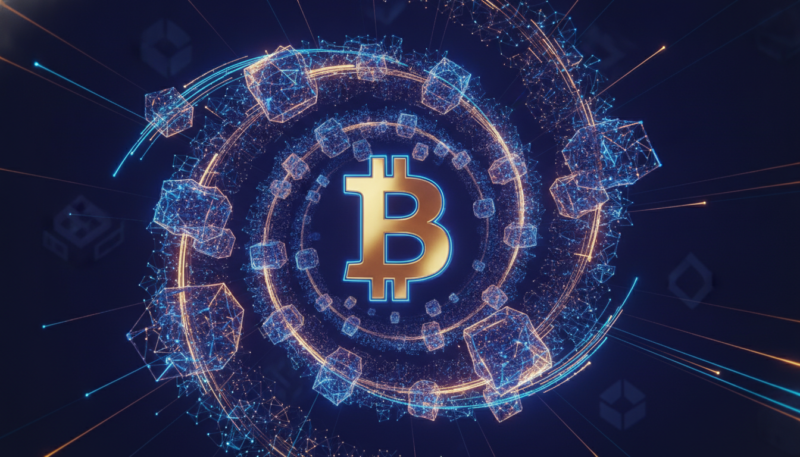
The Bitcoin network is experiencing a significant revival, with transaction volumes recently soaring past 820,000 daily. This surge is primarily attributed to the launch and subsequent adoption of the Runes protocol, a novel standard for creating and trading fungible tokens directly on the Bitcoin blockchain. The increased activity has propelled Bitcoin’s transaction count to heights not seen in approximately two years, fundamentally altering the network’s dynamics and economic incentives.
What are Runes? A New Era for Bitcoin Tokens
Introduced by developer Casey Rodarmor, the creator of the popular Ordinals protocol, Runes aims to provide a more efficient and user-friendly way to manage fungible tokens on Bitcoin. Unlike previous token standards that often relied on complex off-chain structures or the Bitcoin scripting language, Runes utilizes a UTXO-based model that is designed to be more resource-efficient and easier for developers to integrate with. This approach allows for the creation of tokens that behave similarly to ERC-20 tokens on Ethereum, but natively on Bitcoin.
The core innovation of Runes lies in its ability to minimize the amount of Bitcoin block space required for token operations. By etching tokens directly into the UTXO set and using a dedicated opcode for transfers, Runes reduces the amount of data that needs to be processed and stored by the network. This contrasts with earlier methods which often involved creating many small, inefficient UTXOs, leading to blockchain bloat.
Record Transaction Volumes and Fee Generation
The launch of the Runes protocol, coinciding with the Bitcoin halving event, has led to a dramatic spike in network activity. The number of daily transactions has surged, with reports indicating figures exceeding 820,000. This sheer volume of activity means that the Bitcoin blockchain is processing transactions at a rate not observed since late 2021 or early 2022.
This increased demand for block space has a direct consequence on Bitcoin transaction fees. As more users compete to include their Rune transactions (and regular Bitcoin transactions) in the next block, miners are incentivized to prioritize those offering higher fees. Consequently, average transaction fees on the Bitcoin network have seen a substantial increase, reaching levels that rival or even surpass previous peaks. This has led to significant revenue generation for Bitcoin miners, who play a crucial role in securing the network.
Implications for the Bitcoin Ecosystem
The Runes protocol’s success has several important implications for the broader Bitcoin ecosystem:
- Increased Miner Revenue: Higher transaction fees translate directly into greater profitability for Bitcoin miners, potentially enhancing network security by encouraging more mining power.
- Network Congestion and User Experience: The surge in transactions can lead to temporary network congestion, making it more expensive and slower for users conducting non-Rune Bitcoin transactions. This highlights the ongoing challenge of scaling the Bitcoin network to accommodate diverse use cases.
- Innovation and Developer Interest: The positive reception of Runes demonstrates a growing interest in expanding Bitcoin’s utility beyond a simple store of value or medium of exchange. It encourages further innovation in tokenization and decentralized applications on the Bitcoin layer.
- Market Speculation: Like any new token standard, Runes has attracted significant speculative interest, with new tokens being created and traded rapidly. This has contributed to the heightened transaction volumes and fee spikes.
The Future of Tokenization on Bitcoin
The Runes protocol represents a significant step forward in Bitcoin’s journey towards becoming a more versatile blockchain platform. While the initial surge may stabilize as the market adjusts, the underlying technology offers a more robust framework for token creation and management. The long-term impact will depend on how developers and users continue to leverage this standard, and how the Bitcoin community addresses the scalability challenges that accompany increased network usage.
As the dust settles from this initial wave of activity, the focus will shift towards the sustainable development and adoption of Runes. The protocol has undeniably reignited interest in Bitcoin’s capabilities, pushing transaction metrics to impressive new highs and reaffirming its position as a foundational layer for digital innovation.