

Bridging TradFi and DeFi: Spiko’s Stablecoin Innovation
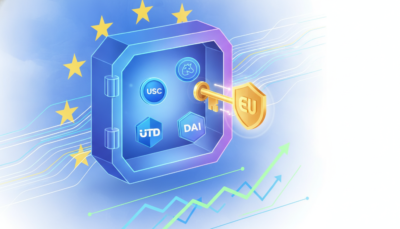
In a significant development that blurs the lines between traditional finance and the burgeoning world of decentralized finance (DeFi), Spiko has announced a groundbreaking integration with Coinbase Payments. This strategic move allows investors to subscribe to and redeem units of two EU-regulated UCITS Treasury funds directly using stablecoins. The integration leverages the speed and efficiency of the Base network, a Layer 2 scaling solution developed by Coinbase, for transactions involving USD Coin (USDC) and Euro Coin (EURC).
Understanding the Integration
Spiko’s innovation lies in its ability to seamlessly connect regulated financial products with the digital asset ecosystem. Traditionally, subscribing to or redeeming units in UCITS (Undertakings for Collective Investment in Transferable Securities) funds involves standard fiat currency transactions, often requiring lengthy processing times and multiple intermediaries. By integrating Coinbase Payments and utilizing stablecoins like USDC and EURC on the Base network, Spiko is streamlining this process. Investors can now use these widely adopted stablecoins to participate in Treasury funds, with payments and redemptions facilitated directly via the Base blockchain.
What are UCITS Funds?
UCITS is a regulatory framework established in the European Union that sets standards for investment funds. Funds authorized under UCITS are considered highly regulated and offer a high level of investor protection. They are designed to be marketable throughout the EU, allowing investors to subscribe to them in any member state. UCITS funds typically invest in a diversified range of assets, including stocks, bonds, and money market instruments, and are managed by authorized fund managers.
The Role of Stablecoins and Coinbase Payments
Stablecoins, such as USDC and EURC, are digital currencies designed to maintain a stable value, typically pegged 1:1 to a fiat currency like the US dollar or the Euro. This stability makes them an attractive medium of exchange and store of value within the volatile cryptocurrency market. Spiko’s use of these stablecoins for subscriptions and redemptions offers investors a predictable way to interact with their fund investments without the price fluctuations often associated with other cryptocurrencies.
Coinbase Payments provides the crucial infrastructure for this integration. By connecting to Coinbase’s robust payment rails, Spiko ensures secure and efficient processing of stablecoin transactions. This partnership signifies a growing acceptance of stablecoins within regulated financial markets and highlights Coinbase’s expanding role beyond just a cryptocurrency exchange.
The Significance of the Base Network
The choice of the Base network for these transactions is also noteworthy. Base is an Ethereum Layer 2 solution that aims to provide a more scalable, cost-effective, and user-friendly platform for decentralized applications. By operating on Base, Spiko benefits from reduced transaction fees and faster confirmation times compared to transacting directly on the Ethereum mainnet. This efficiency is vital for financial applications where timely settlement is critical.
Implications for the Future
Spiko’s initiative represents a significant step towards the mainstream adoption of digital assets in traditional investment vehicles. It demonstrates how blockchain technology and stablecoins can enhance accessibility, efficiency, and potentially reduce costs in financial markets. This integration could pave the way for other regulated funds to explore similar pathways, fostering greater interoperability between the established financial system and the innovative landscape of DeFi.
- Enhanced Accessibility: Investors can now access regulated Treasury funds using familiar stablecoins.
- Increased Efficiency: Streamlined subscription and redemption processes via blockchain technology.
- Reduced Costs: Lower transaction fees facilitated by the Base Layer 2 network.
- Regulatory Compliance: Operates within the established EU UCITS framework, ensuring investor protection.
As the digital asset space continues to mature, collaborations like this between established financial institutions and blockchain innovators will be key to unlocking new investment opportunities and creating a more integrated global financial ecosystem.